Deep Treasure Hunt builds its tension through hidden targets, shifting routes and careful shot timing beneath a darker reef layer. Each round feels sharper when target size, movement speed and ammo pressure stay balanced. This article is written for focused arcade players using JILI50, to help them understand deep target reading, aiming for cleaner session control.
Deep sea targets in Deep Treasure Hunt
Deep sea targets create pressure because movement patterns often stay partly hidden. A clear reading rhythm helps each target choice feel more deliberate.
Large fish hidden in dark backgrounds
Large fish often move through darker lanes where contrast drops by nearly 35 percent during busy screen phases. Their body size looks easy to notice, yet reef shadows can hide the tail path. Deep Treasure Hunt rewards patient tracking because large targets often need 4 to 7 clean shots.
A large fish usually crosses the middle zone in about 6 seconds before sliding behind coral cover. That short window makes early aim correction more valuable than fast firing alone. A stable pace helps avoid wasted shots when the target turns near a shadowed edge.
Hit planning works better when the large fish enters from a wide angle near open water. A center lane gives more time for follow up shots after the first impact. Players should watch body direction first because a sudden curve can raise ammo use by 20 percent.
Small fish schools opening the hunt rhythm
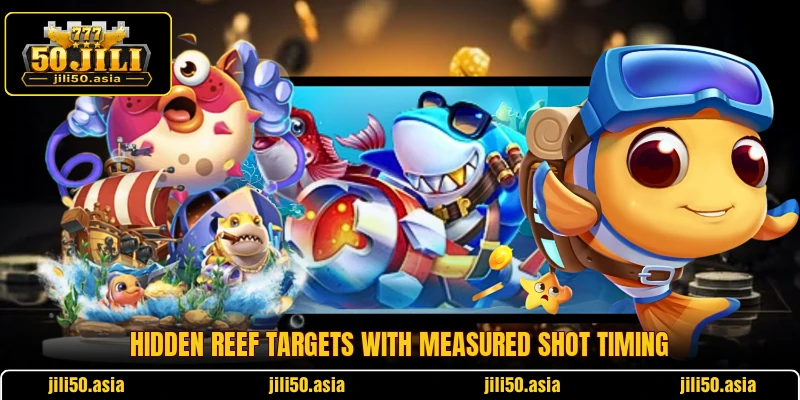
Small fish schools often appear in groups of 8 to 14 targets across the lower reef lane. Their movement looks light, yet the group can set the early rhythm for a full round. Deep Treasure Hunt uses these clusters to test timing before heavier targets enter.
A small group usually stays visible for 4 to 5 seconds during a standard pass. Fast reaction matters, but uncontrolled firing can drain low ammo too quickly. Better results come from choosing the front edge of the school where overlap is easier to read.
Small targets can support a steady pace when larger creatures stay away from clear lanes. Their value is lower, yet frequent movement keeps the screen active without forcing risky shots. Tracking the center of a cluster can reduce missed angles during crowded reef phases.
Deep boss changing swim routes
A deep boss may shift route direction after 2 or 3 visible turns near the reef wall. This movement can break a simple firing rhythm because the body angle changes quickly. In Deep Treasure Hunt, boss routes often demand stronger timing than ordinary size reading.
View more: Reef Treasure Strike – Coral Aim With Sharp Reef Rhythm
Route changes usually begin after the boss crosses a dense object or darker tunnel gap. That small transition can hide the first turn, which makes late shots less reliable. A measured pause before firing again helps protect ammo when the boss exits at a sharper angle.
Boss pressure rises when smaller fish pass across the same lane at the wrong moment. Screen clutter can block visual reading for nearly 1 second during busy waves. Players should wait for a clearer body line before committing higher ammo levels to the chase.
Rare timing in Deep Treasure Hunt
Rare targets often flash through open lanes for only 2 to 3 seconds before leaving the screen. Their speed creates pressure because the target may vanish before a second aim correction. A calm first shot matters more than chasing after the route has already broken.
A rare target becomes easier to read when it enters from a corner with no overlapping fish. That clean angle gives the eye enough space to judge speed plus body direction. Rushed firing from a crowded edge can turn a strong chance into wasted ammo.
Rare movement feels tempting because the target appears valuable during a very short pass. Still, the best moment is often the first third of its visible route. Waiting too long can cut the firing window by half, especially near reef cover.
Ammo levels in Deep Treasure Hunt
Ammo levels shape every decision because each shot carries a different pressure against target size. A low setting supports patient rhythm during lighter waves. A stronger tier can help against dense targets, yet Deep Treasure Hunt becomes easier to manage when ammo changes follow visible movement.
- Low tier: Use this level for small fish schools because steady fire can test route timing without draining the round too quickly.
- Middle tier: Choose this level when medium targets cross open water because the balance supports better control during mixed movement.
- High tier: Save this level for boss movement because stronger shots need cleaner angles before any heavy firing sequence begins.
- Burst control: Pause after short firing runs because 3 to 5 missed shots can disturb rhythm faster than most target changes.
- Route check: Raise ammo only when the target path stays visible because hidden turns can waste stronger shots within seconds.
- Recovery pace: Drop back to safer ammo after a failed chase because calm reset protects later chances across the same table.
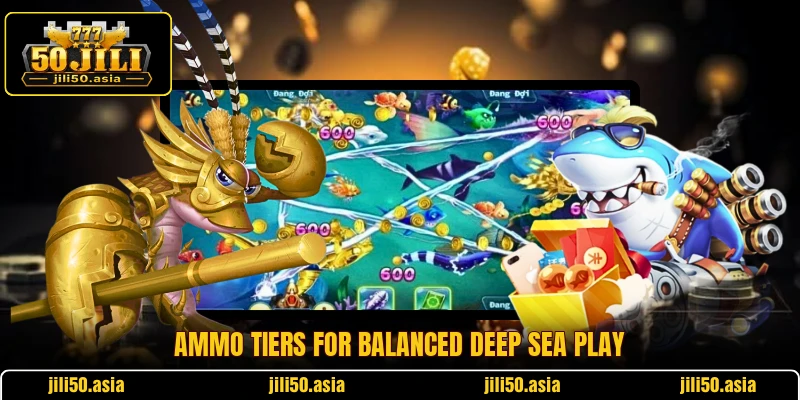
Table strategy in Deep Treasure Hunt
Table strategy depends on rhythm, visibility and how often valuable targets enter clean lanes. A crowded table can look active without giving enough stable angles. Careful observation matters in Deep Treasure Hunt because table choice can affect ammo use before the first serious chase begins.
- Quiet table: Pick a calmer table when large targets appear clearly because slower screen traffic makes route reading easier.
- Active table: Use active tables for small fish rhythm because frequent movement gives more chances to test timing early.
- Boss table: Stay only when boss routes remain readable because repeated hidden turns can make strong ammo feel unstable.
- Exit point: Leave after several poor angles because chasing a weak pattern can damage the next round rhythm.
- Entry timing: Join after a crowded wave clears because fresh lanes often reveal target direction with less visual noise.
- Session limit: Set a fixed round boundary because clear stopping points keep table decisions more objective.

View more Category: Fish
Conclusion
Deep Treasure Hunt works best when target reading, ammo levels and table rhythm stay connected through each round. A balanced pace avoids forced shots while keeping attention on movement that truly matters. JILI50 can sit beside this approach, with a light wish for steady aim and good luck.