
Reef Treasure Strike follows reef lanes where timing and clear aim shape each round. Coral cover changes shot travel, so careless firing can drain value fast. This article is written for arcade fishing learners, to help them understand reef shooting flow, aimed at sharper round judgment with JILI50.
Overview of Reef Treasure Strike around the reef
The reef setting gives the round a layered feel because targets rarely move through empty space. Reef Treasure Strike uses coral shapes, passing fish and narrow openings to make each shot feel more measured. Steady observation matters because a rushed line can miss when the target slips behind cover at the last moment.
A strong overview starts with the table rhythm rather than the size of each target. Smaller fish can still create pressure when they pass in fast groups near the reef wall. Larger targets draw attention, yet their route often matters more than surface value during a crowded screen with limited open lanes.
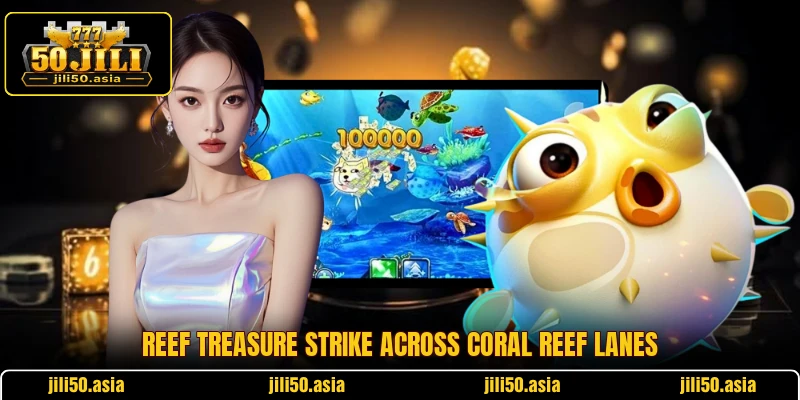
Reef terrain in Reef Treasure Strike
Reef terrain shapes every shot because open space can disappear within a few seconds. A calm screen can become tight when coral edges begin to frame the moving targets.
Blocked shooting lanes in Reef Treasure Strike
Coral blocks can break a direct path between the cannon and a moving target. A shot that looks clean at first may collide with cover before reaching the fish. Smart reading begins by checking the space between the cannon tip and the target path before spending firepower on a narrow angle today.
Blocked lanes also affect target priority because exposed fish may offer a cleaner chance than larger hidden ones. A visible target with a short path can be more practical than a rich target crossing behind reef walls. Patient aim reduces wasted shots when the screen looks busy but only a few lines stay open.
The safest response is to wait for a lane that stays clear through the full shot path. Fast tapping through coral cover can create misses that feel random, though the obstacle was already visible. A measured pause often reveals whether the fish is about to emerge or vanish behind stone suddenly today.
Fish flow near coral edges
Fish moving close to coral edges can look easy because their route appears predictable at first. In Reef Treasure Strike, edge movement often changes speed near curves, which makes timing more delicate. The best read comes from watching whether the school hugs the wall or turns outward into clearer space during play.
Edge flow can also hide part of a target body, so hit confidence should stay moderate. A fish may appear available for a second before the reef masks its center. Clean timing uses the moment just after emergence because the target is visible, stable and less protected by nearby cover during movement.
View more: Coral Treasure Clash – Deep Reef Battles With Hidden Gold
Shots near the edge should avoid chasing every small movement because the angle can tighten quickly. A better approach is to choose fish that move across the lane rather than deeper into cover. This keeps the shot path shorter, while reducing the chance of firing into coral instead during tight pressure today.

Clustered fish zones
Clustered zones create heavy visual pressure because several fish cross the same area in quick rhythm. Reef Treasure Strike becomes easier to read when the group shape is judged before choosing a target. A loose cluster gives more space for aim, while a dense cluster can absorb attention without clear value quickly.
Group movement should be read from the front edge to the back edge. The first fish may draw the eye, but the safer target can sit behind it with a steadier path. Watching the whole cluster prevents overreacting to one fast body that leaves the lane too soon during pressure now.
A compact zone can reward controlled fire when several targets stay inside the same clear corridor. Random spraying weakens that advantage because shots scatter across bodies with uneven exposure. Focused aim keeps the cannon aligned with the shared route, which helps turn crowd pressure into a readable pattern clearly today.
Shooting angles on a covered screen
A covered screen makes angle control more important than pure reaction speed. Reef Treasure Strike often places moving targets behind reef shapes, so diagonal shots can become safer than straight shots. The strongest angle is usually the one that avoids cover while matching the target path for longer during play.
When visibility drops, the cannon should follow open corridors instead of chasing hidden movement. A fish that disappears behind a reef should not receive extra shots until it returns. This habit protects the round from blind firing because hidden targets can change direction before becoming visible again on screen later.
Covered screens also reward patience because the best line may appear after several seconds. Waiting does not mean slowing the whole round, but it keeps aim tied to real openings. Clear angles turn crowded reef movement into smaller decisions that can be judged without guessing through blocked space ahead today.
How to read the Reef Treasure Strike table
Reading the table begins with movement, cover and target exposure before any shot is placed. Reef Treasure Strike rewards calm screen checks because reef shapes can turn a simple lane into a risky path. Each small reading habit supports cleaner aim when fish density increases across the round.
- Lane clarity: Check whether the shot path stays open from cannon to target before committing firepower during a crowded reef sequence.
- Target exposure: Favor fish with visible centers because partial cover can reduce shot confidence during fast reef movement.
- Group direction: Watch where a school is moving, since the rear path may offer a cleaner angle than the front.
- Edge timing: Fire after a fish leaves coral cover, rather than while it is still partly hidden.
- Cannon angle: Keep the barrel aligned with open corridors so shots avoid reef blocks during sudden screen changes.
View more Category: Fish
Conclusion
A clear reading of Reef Treasure Strike starts with terrain, target rhythm and careful angle choice. The reef layout rewards patience because visible lanes can change faster than expected. JILI50 can be a light reference point, while creating an account fits those ready to study each round more closely.